Invasive Species Spotlight: Chinese Privet
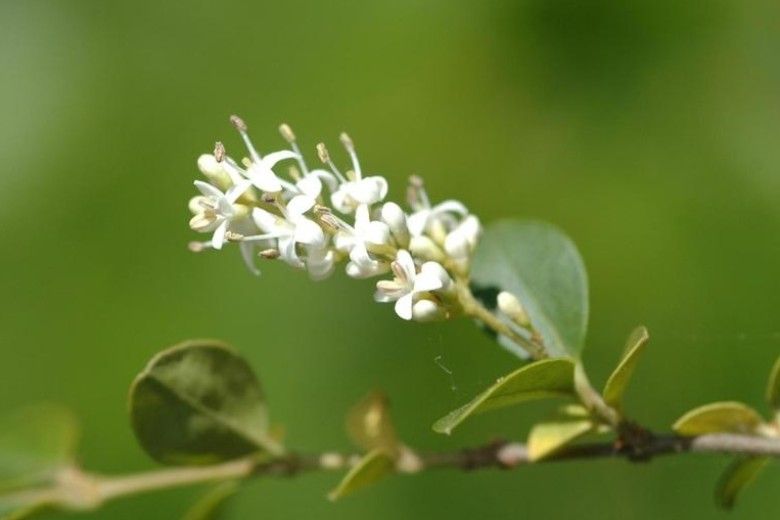
Originally introduced as ornamental plants for hedges and gardens in the 1800s, Chinese Privet (Ligustrum sinense Lour.) spreads aggressively and now dominates disturbed areas such as fencerows, old fields, and forest edges. It thrives in various soil and light conditions, especially in moist environments with good sunlight. It also forms dense thickets that outcompete native plants, reducing biodiversity and altering ecosystems.
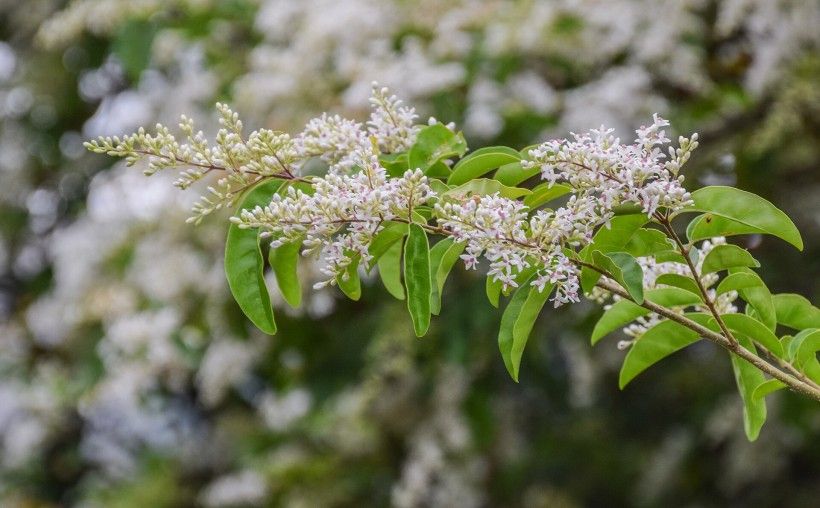
Identification
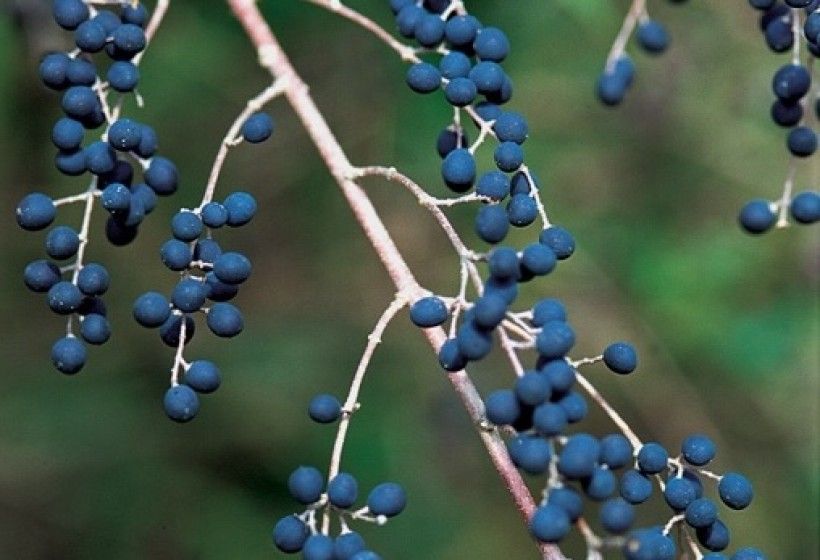
Privet is a deciduous or semi-evergreen shrub that often forms dense thickets up to 30 feet tall, although its typical height ranges from 5 to 12 feet. Is has opposite or whorled stems that are brown to gray with slightly rough bark. Privet produces aromatic white flowers from April to June, which are followed by green fruits from July to March. These fruits gradually ripen to a dark purple or black color in the winter.
Control
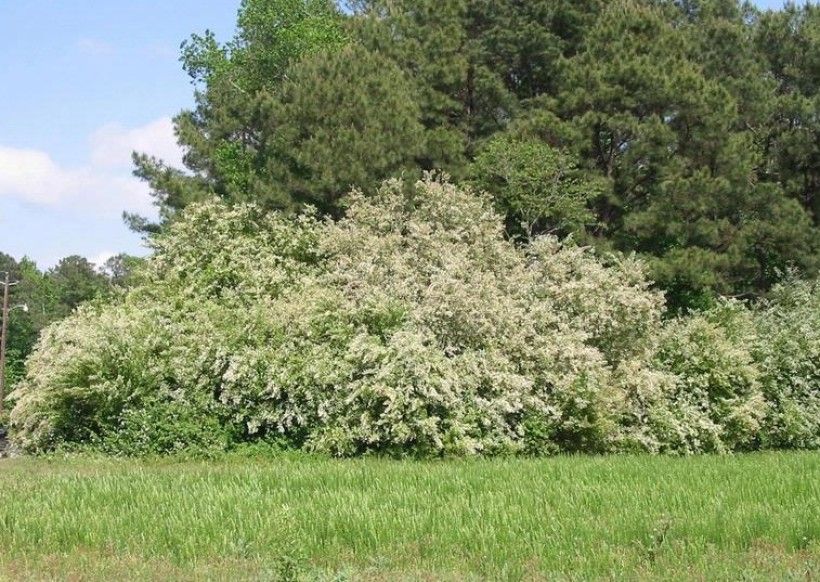
Privet reproduces both by seed and root suckers, making it difficult and costly to control. Its rapid growth and adaptability allow it to spread quickly, especially in areas with few native shrub competitors. Privet is also very hard to eradicate because it grows back easily from roots and thrives in disturbed soil.
Privet is manageable with mowing or cutting consistently, as closely to the ground as possible—this will prevent the spread, but will not eradicate it. Herbicide treatments are recommended to completely eliminate privet. Foliar sprays of glyphosate (e.g., Roundup) in late fall or early spring when native plants are dormant is the most effective method of controlling large dense thickets. The cut-stump method is most effective at treating individual plants, which involves treating the cut stems or stumps with glyphosate. Once the herbicide is applied, disturbances should be avoided for approximately one year, in order for the herbicide to travel to the plant’s roots.
Native Alternatives
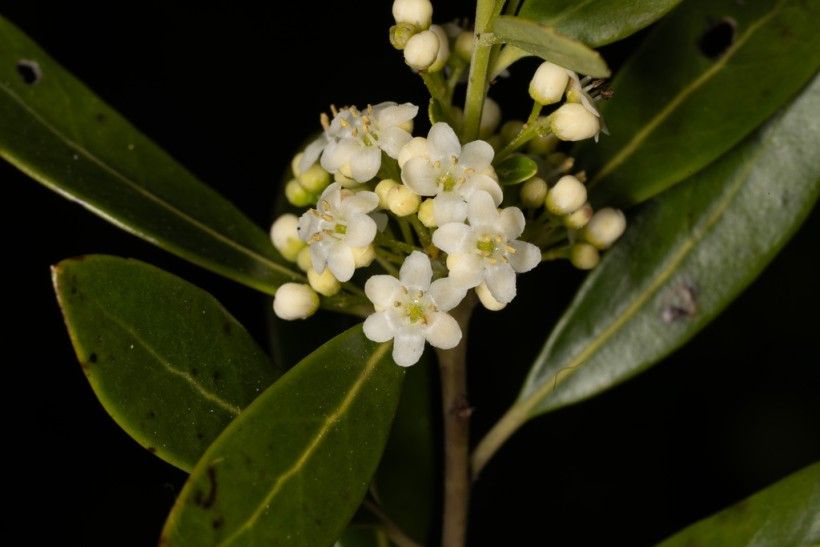
Like privet, native inkberry (Ilex glabra) is a woody, evergreen shrub that spreads through suckers and works well planted as a hedge or privacy screen. It grows well in full and part sun and prefers moderate to moderately wet soil to thrive. Inkberry also makes a great addition to pollinator gardens, as its greenish-white flowers attract bees and butterflies—although gardeners should note that both male and female plants must be present to produce its namesake berries.
Other shrub-sized, berry-producing, deciduous alternatives to privets for landscaping purposes include species such as spicebush (Lindera benzoin), dogwoods (Cornus spp.), and chokeberry (Aronia spp.). These species will all provide food and cover for wildlife.
For more information on these native species and others that are suitable for ornamental and landscaping purposes, check out Brandywine’s Native Garden Hub.