Invasive Species Spotlight: Mile-a-Minute
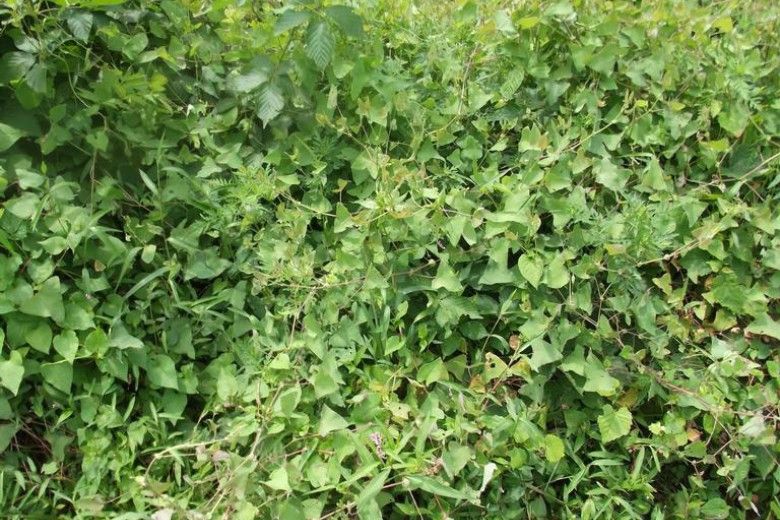
Mile-a-minute (Persicaria perfoliata) is an invasive annual vine and one of Pennsylvania’s most aggressive invasive plants. True to its name, it can grow up to six inches per day, rapidly climbing over trees, shrubs, and other vegetation. Dense infestations blanket native plants, blocking sunlight for native flora.
Origin
Native to India and East Asia, mile-a-minute became established in the United States at a nursery in York County, Pennsylvania, in the late 1930s. The vine appeared alongside imported holly seed from Japan and was initially allowed to grow before its invasive potential was recognized. Attempts to eradicate the population were unsuccessful, and it eventually spread throughout Pennsylvania and surrounding states.
Today, mile-a-minute is designated as a Class B Noxious Weed in Pennsylvania.
Characteristics
Mile-a-minute is an herbaceous annual, meaning plants die with the first frost and emerge from seed each spring. However, its seeds can remain viable in the soil for up to six years, allowing infestations to persist long after mature vines are removed.
The vine is easily identified by its light green, triangular leaves and slender stems covered with backward-facing barbs. Round, leaf-like structures called ocreae encircle the stem where each leaf attaches. In summer, metallic blue to purple berry-like fruits develop, each containing a single seed.
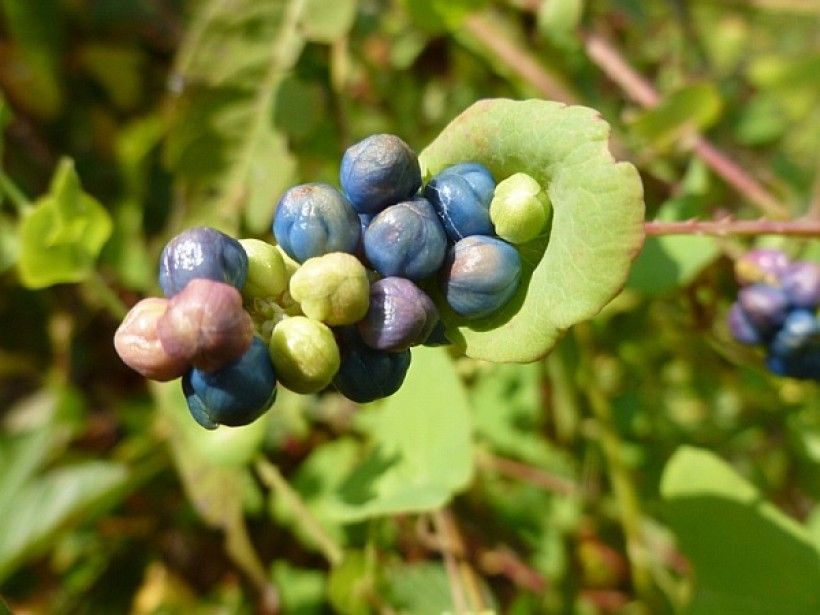
Birds and other wildlife spread the fruits, while flowing water can carry seeds considerable distances downstream. Seeds may also travel in contaminated soil or on equipment.
Mile-a-minute prefers abundant sunlight and moist soils and commonly invades forest edges, streambanks, wetlands, roadsides, utility corridors, and disturbed areas. Dense infestations can smother young trees and shrubs, significantly reducing native vegetation and forest regeneration.
Control
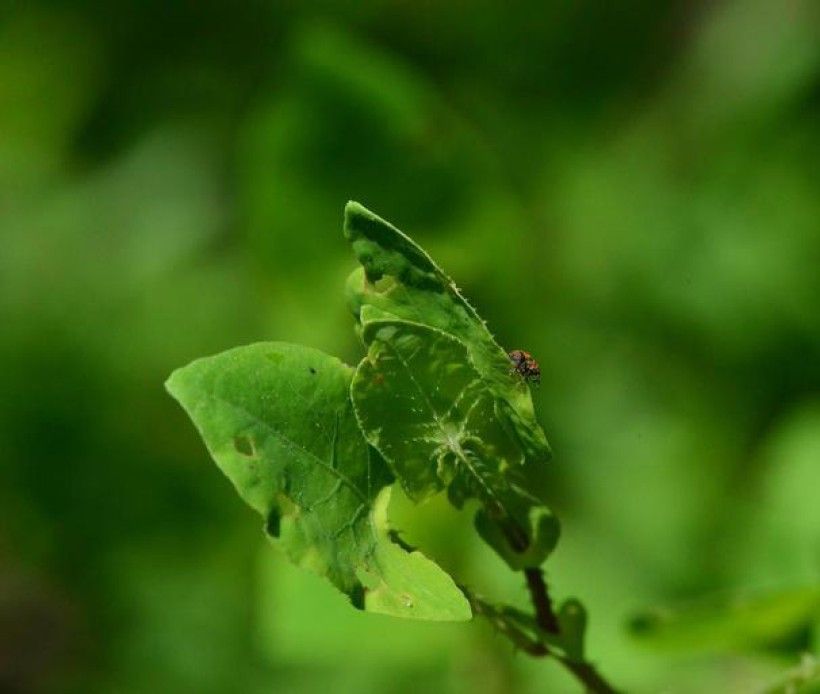
Regular monitoring is the first line of defense against mile-a-minute. Small populations can be hand-pulled before they produce seed (gloves and long sleeves are recommended due to the sharp barbs). Plants removed before fruit develops can be left to dry, while fruiting vines should be handled carefully to avoid spreading mature seeds.
Repeated cutting or mowing can reduce seed production. For larger infestations, herbicides containing active ingredients such as glyphosate, imazapyr, or triclopyr can be effective, particularly before seed production. Because the leaves have a waxy surface, an appropriate surfactant may improve herbicide coverage. Always follow product label directions and avoid impacts to desirable vegetation and aquatic resources. The host-specific mile-a-minute weevil (Rhinoncomimus latipes) can also suppress infestations by reducing vine growth and seed production.
Because mile-a-minute is an annual, preventing seed production is key to long-term control. Sites should be monitored for several years to exhaust the seed bank. Maintaining native trees and shrubs can also create shade and make conditions less favorable for mile-a-minute.
Native Alternative
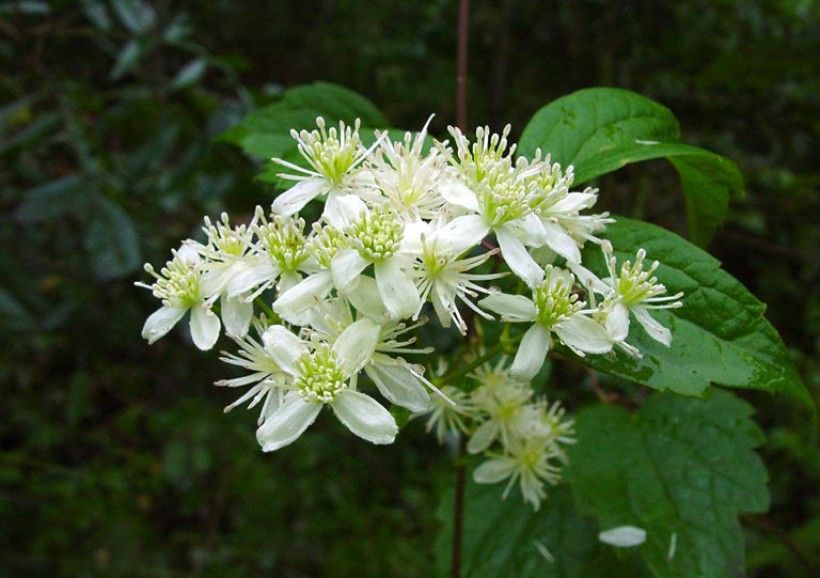
While mile-a-minute isn’t intentionally planted, those looking for a vigorous native vine have an excellent option in Virgin’s Bower (Clematis virginiana). Native to eastern North America, it produces masses of fragrant white flowers in late summer that attract native pollinators, followed by distinctive silvery seed heads that persist into winter.
Growing 10 to 20 feet tall, Virgin’s Bower thrives in full sun to partial shade and is well suited for fences, trellises, woodland edges, and naturalized areas. Its flowers, striking seed heads, and wildlife value make it a beautiful addition to the landscape. Learn more about Virgin’s Bower (Clematis virginiana) on Brandywine’s Native Garden Hub.
Header image: Mile-a-minute infestation. Credit: Richard Gardner, Bugwood.org