Director's Report
Dear Fellow Conservationists,
Summer is a season of energy, connection, and exploration. Across the Brandywine region, we're seeing those themes come to life through new partnerships, expanding conservation initiatives, and exciting opportunities to bring people together with the landscapes and communities that make this place so special.
This time also marks a transformative moment for the Brandywine Conservancy & Museum of Art. In May, we announced plans for a major campus expansion that will include the addition of a second museum building, renovations to the historic Mill building (which will feature an exhibit highlighting the work of the Conservancy), and the creation of a 325-acre public preserve and garden connected by miles of trails. Rooted in our founding vision to preserve the landscapes that inspired generations of artists, this project will create new opportunities for visitors to experience the enduring relationship between art, nature, and conservation while deepening their understanding of the Conservancy's work throughout the region.
In this issue of Environmental Currents, we're also proud to share news of another ambitious initiative: our effort to pursue National Heritage Area designation for the Greater Brandywine Valley. This collaborative project brings together residents, businesses, nonprofit organizations, and local governments to celebrate and elevate the region's extraordinary blend of natural, cultural, and historic resources. While still in its early stages, the initiative represents an exciting opportunity to strengthen regional partnerships and further elevate the qualities that have long defined the Brandywine Valley.
This issue also highlights the many ways conservation begins close to home. We recently celebrated the first anniversary of the Brandywine Native Garden Hub, which has helped gardeners across Pennsylvania and Delaware discover native plants and create more resilient landscapes. You'll also find practical guidance on understanding plant terminology, managing invasive species like Japanese honeysuckle, and supporting pollinators through efforts such as the initiative to establish 250 new Monarch Waystations in Pennsylvania's Laurel Highlands.
We're equally excited to share updates on projects that are improving access to and stewardship of our region's natural resources. Construction is finally underway on the High Trail, a new multi-use trail on Brandywine's Chadds Ford campus that will provide visitors with a unique perspective of the Brandywine Creek and connect to the broader Circuit Trails network. You'll also find highlights from our recent conservation planning and water quality initiatives, along with opportunities to explore the landscape through this year's upcoming Bike the Brandywine event with an exciting new host location.
Thank you for being part of this work and for your continued commitment to protecting the lands, waters, and communities that sustain us. We look forward to all that this season will bring and to continuing our shared efforts to preserve the Brandywine for generations to come.
— Grant
Grant DeCosta, Director, Brandywine Conservancy
Preserving Culture, Nature, and Community
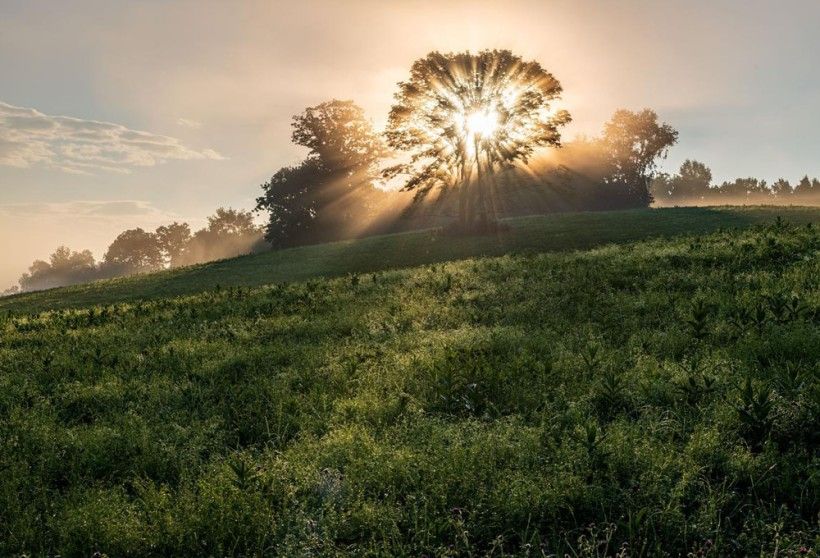
The Brandywine Conservancy is leading an ambitious new initiative to further protect and elevate the natural and cultural treasures of the Greater Brandywine Valley region. The project is a cooperative effort of residents, businesses, non-profit organizations, and local governments to designate the Greater Brandywine Valley in Pennsylvania and Delaware as a National Heritage Area.
Click here to read more
Native, Non-Native, and the Words In Between: Clarifying Common Plant Terms
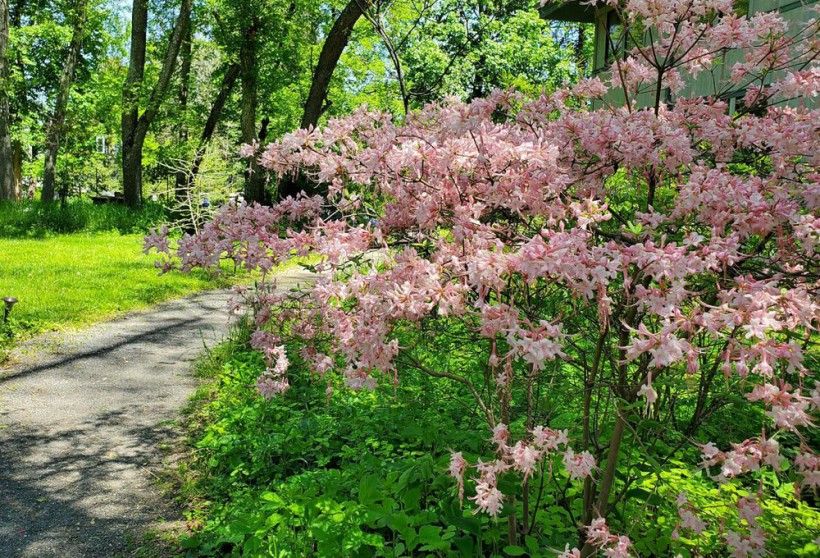
From native to noxious—check out our latest blog on the Brandywine's new Native Garden Hub website to learn more about common plant terms. Taking a closer look at these terms helps ensure more accurate communication and better-informed decisions in the landscapes we observe and manage.
Click here to read more
Brandywine's Native Garden Hub Celebrates One Year
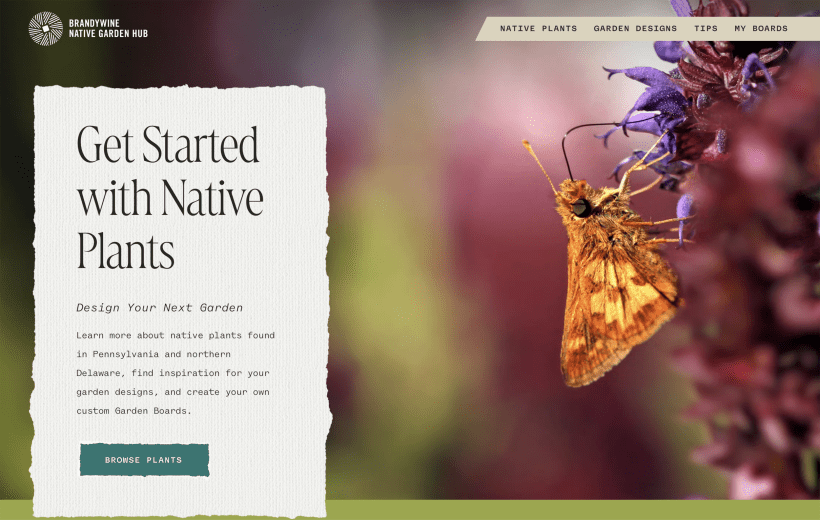
The Brandywine Native Garden Hub celebrated it's first birthday in April! For a full year, the Garden Hub has been helping gardeners across PA and northern DE find the right native plants, plan their spaces, and grow thriving, resilient landscapes. This free, interactive website lets you browse through more than 250 native plant profiles or filter your searches by the specific growing conditions of your gardens and your preferred plant attributes and benefits. To help you visualize and plan, you can also save your favorite plants to personalized "Garden Boards" and browse through a suite of educational resources and articles to help enhance your gardening success.
If you haven’t explored the Garden Hub yet, visit www.NativeGardenHub.org to get started. And if you’re already using it, we’d love to hear from you—please consider sharing your feedback by completing this survey. Thank you for helping us grow!
Invasive Species Spotlight: Japanese Honeysuckle
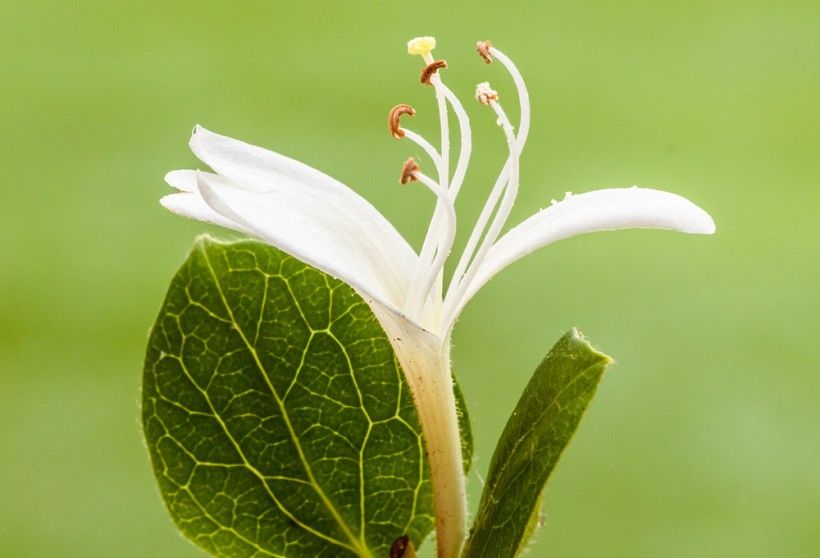
Originally introduced from East Asia in the early 1800s as an ornamental groundcover and for erosion control, Japanese vine honeysuckle (Lonicera japonica) has spread aggressively throughout much of the eastern United States. It commonly invades forest edges, riparian corridors, roadsides, old fields, and disturbed areas. Japanese honeysuckle grows rapidly in a wide range of soil and light conditions and can persist in both full sun and deep shade. By forming dense mats and climbing over trees and shrubs, it outcompetes native vegetation, reduces biodiversity, and alters forest structure.
Click here to read more
250 New Monarch Waystations in America’s Laurel Highlands
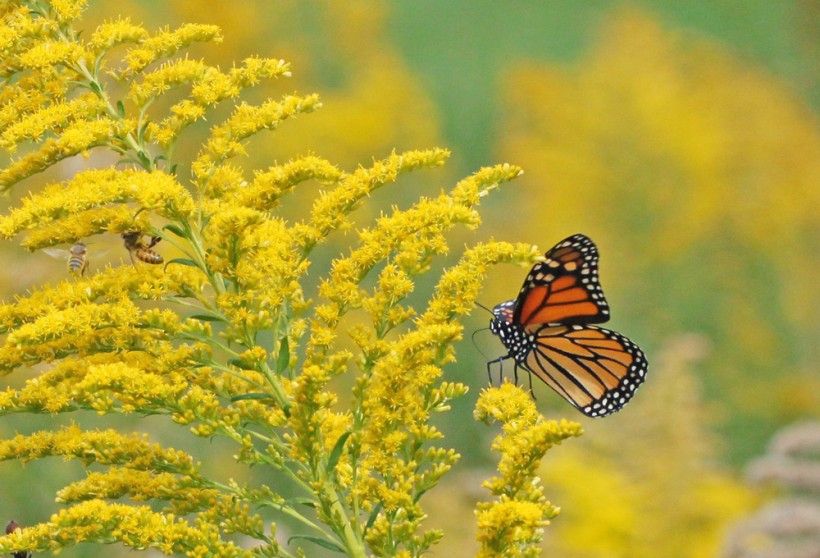
Brandywine Conservancy’s Penguin Court preserve in Westmoreland County is spearheading an initiative to certify 250 properties as Monarch Waystations this year!
Penguin Court is one of over two dozen groups that form the Westmoreland Pollinator Partners (WPP), a coalition of nonprofit organizations, schools, and community gardens that are dedicated to promoting, protecting, and preserving native pollinators and their habitats.
Click here to read more
Nesting Bird Box Building Workshop
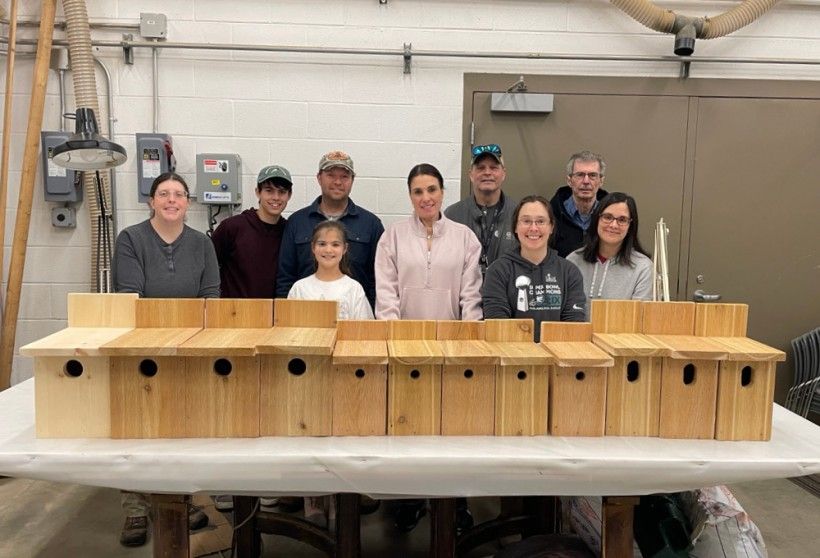
On Saturday, February 20, Brandywine hosted representatives from Bird Town Pennsylvania for a hands-on Nesting Box Building Workshop. Members of the Springfield, Swarthmore, Concord, Media and Nether Providence Bird Towns joined with materials and free educational resources generously provided by Audubon Society. Participants worked together in Brandywine’s Facility Building workshop to build thirteen durable nesting boxes in three designs tailored for bluebirds, chickadees, and woodpeckers or flycatchers.
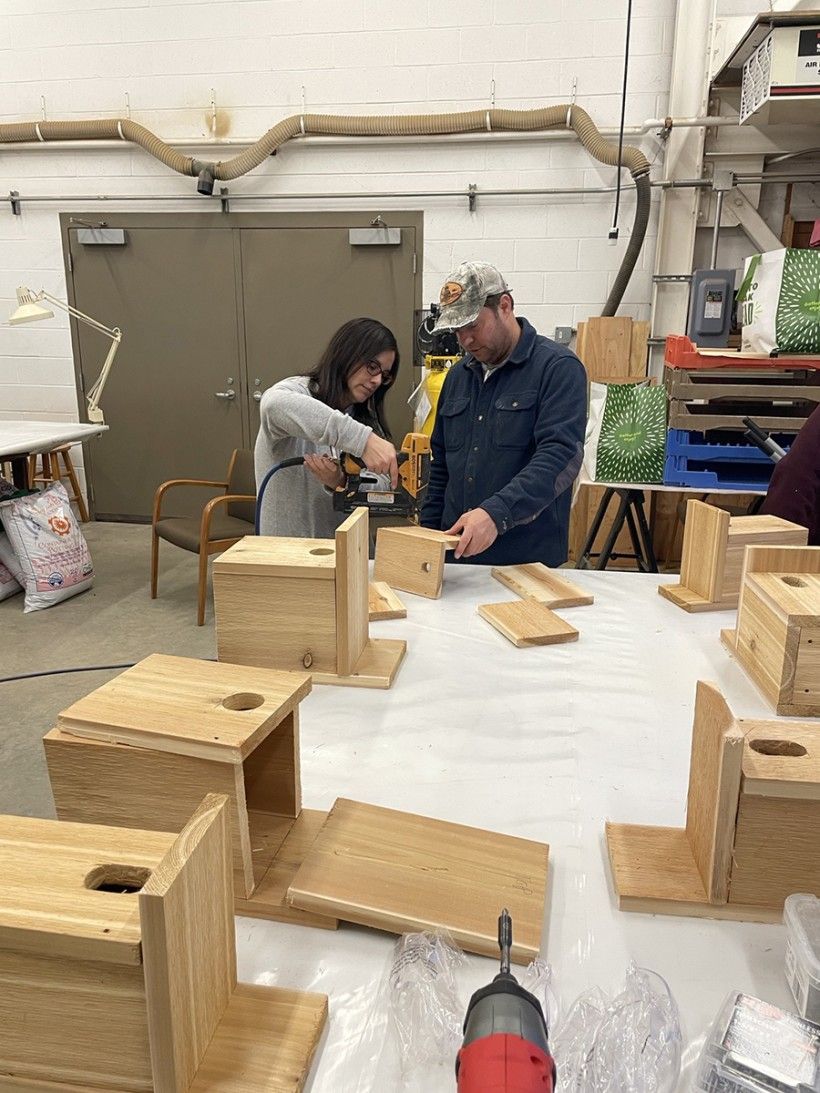
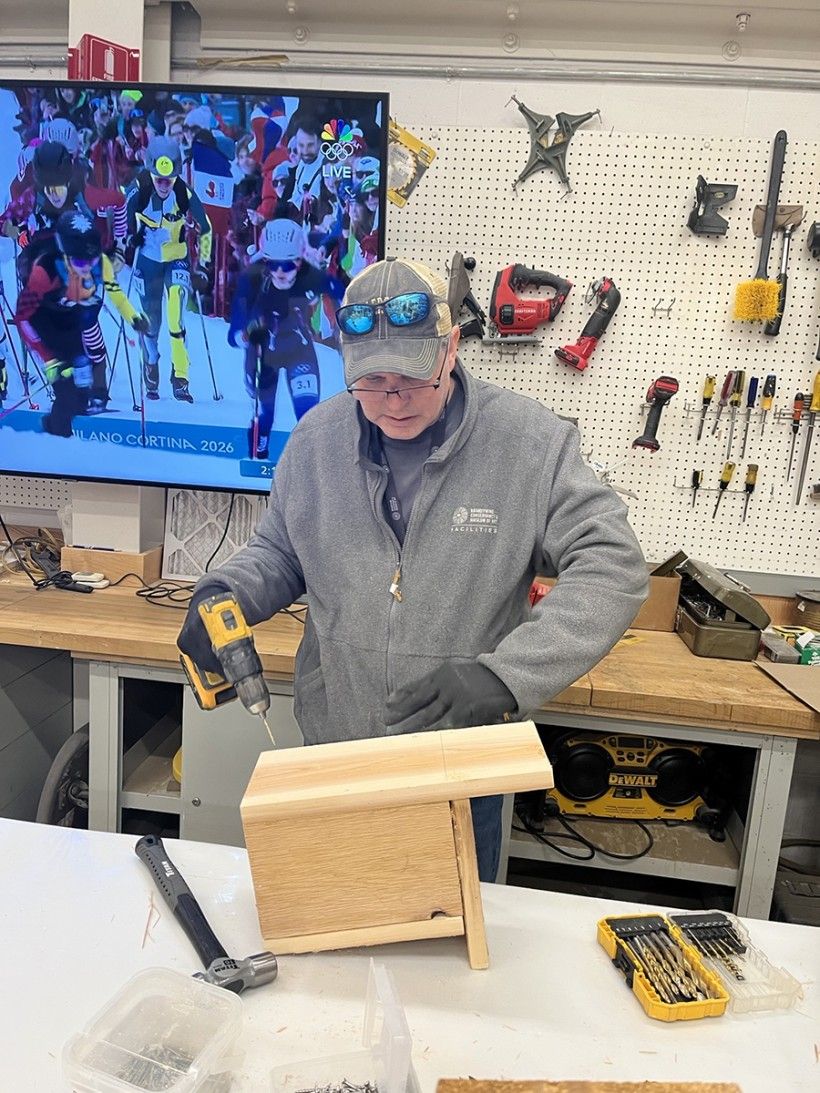
Guided by Bird Town PA representatives and an attending biologist, attendees learned about the vital role nesting boxes play in supporting local bird populations. The team discussed which species benefit most, how thoughtful design and placement can influence success, and practical tips for long-term care and maintenance. The group also explored “Adopt a Box” opportunities that encourage ongoing stewardship and engagement within Brandywine’s inner campus environment.
In the coming weeks, Bird Town PA representatives will evaluate ideal locations across inner campus to install the new boxes, helping enhance biodiversity, and in turn a lasting contribution to local wildlife conservation efforts.
Since 2010, Bird Town Pennsylvania has worked in partnership with local municipalities and like-minded organizations to promote community-based conservation actions to create a healthier, more sustainable environment for birds, wildlife, and people. Learn more at birdtownpa.org
High Trail Construction on Brandywine's Campus
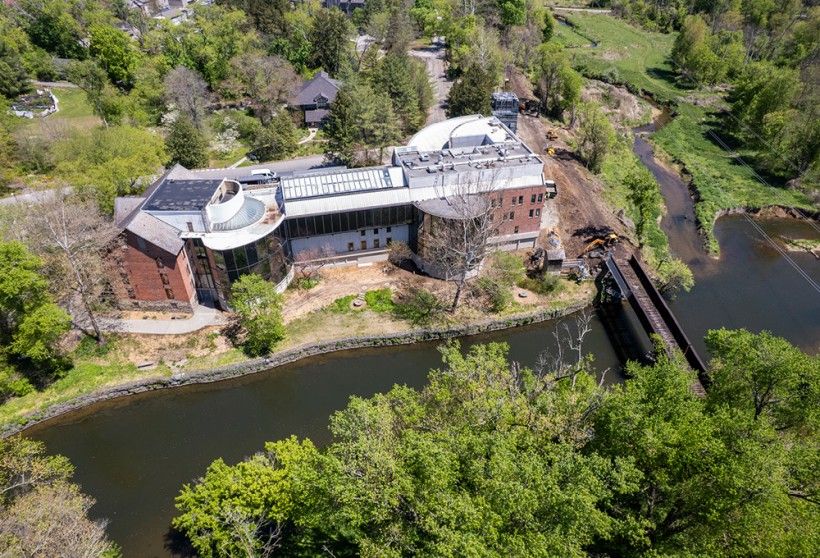
The Brandywine Conservancy is thrilled to announce that construction has begun on our first multi-use trail on our Chadds Ford campus. The High Trail will give visitors an opportunity to walk across the old railroad bridge above the Brandywine, affording views up and down the creek. The project started earlier this April and is expected to take 4-5 months to complete.
The High Trail is part of the Octoraro Trail, which in turn is part of the Circuit Trails network that will encompass more than 850 miles of interconnected multi-use trails in the Greater Philadelphia and southern New Jersey region.
Bike the Brandywine Returns September 19
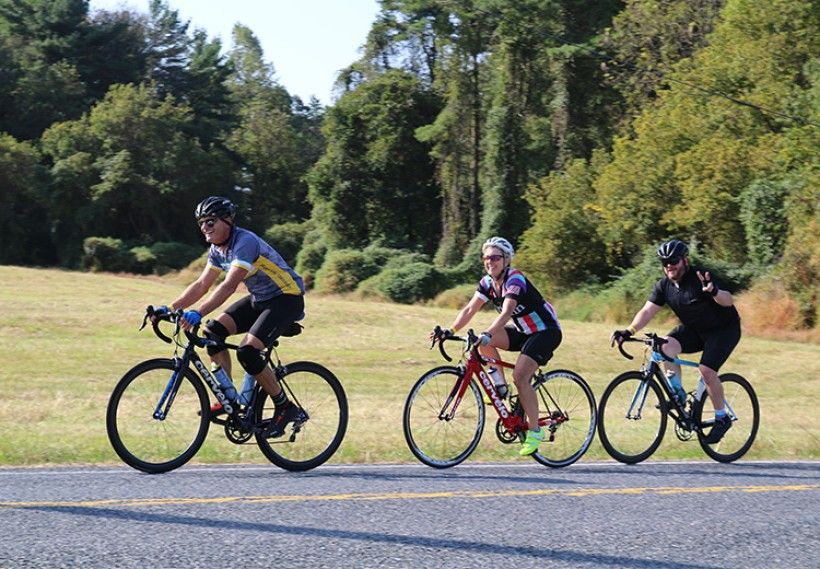
Returning for its eighth edition on September 19, this year’s ride introduces an exciting new start and finish location set in the heart of the Brandywine Conservancy’s protected lands. From this central location, riders will enjoy fresh routes and new perspectives on this remarkable landscape. Route distances will remain similar to past years (25-, 45, and 62-miles). Also new this year, we are offering family rides of 1 to 4.5 miles. Registration is now open at www.BikeTheBrandywine.org
Advancing Water Quality in the Oxford Region
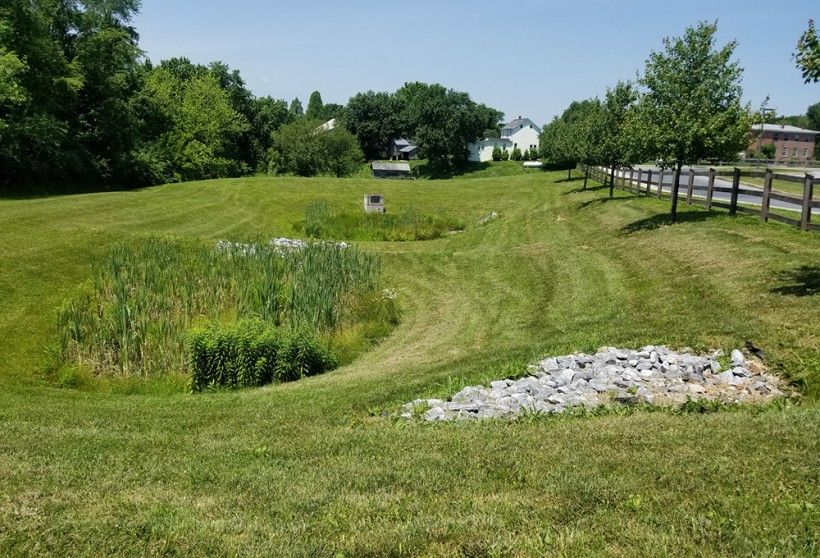
When it rains, water moves across our landscape, carrying pollutants into nearby streams and rivers. Green stormwater infrastructure (GSI) is an approach to manage runoff that works with nature rather than against it. Practices such as rain gardens, bioswales, and infiltration areas help capture, slow, and filter stormwater where it falls, reducing flooding, improving water quality, and supporting local ecosystems. Unlike traditional “gray” infrastructure that quickly moves water away, GSI allows water to soak into the ground, replenishing groundwater and aquifers and reducing pollution entering nearby streams.
On agricultural lands, best management practices (BMPs) serve a similar purpose. BMPs such as streamside buffers, manure management systems, and cover crops help reduce erosion and keep nutrients on the land instead of washing into waterways. Together, GSI and agricultural BMPs form a complementary approach to improving water quality across both developed and rural landscapes.
The Conservancy is excited to advance this work through newly awarded funding from the Chesapeake Bay Trust and the National Fish and Wildlife Foundation’s (NFWF) Chesapeake Bay program, focused on the greater Oxford region. As part of this initiative, Conservancy staff will be working closely with municipal, community, and agricultural partners, including the Oxford Regional Environmental Advisory Committee, the Elk Creeks Watershed Association, the Octoraro Watershed Association, and Oxford Borough to identify priority stormwater and agricultural needs across the region. Through site visits, landowner engagement, and collaborative planning, the Conservancy is building a pipeline of projects that will move from assessment to design and ultimately implementation, taking a holistic approach that addresses runoff from developed areas while also supporting farmers in reducing nutrient and sediment loss from working lands.
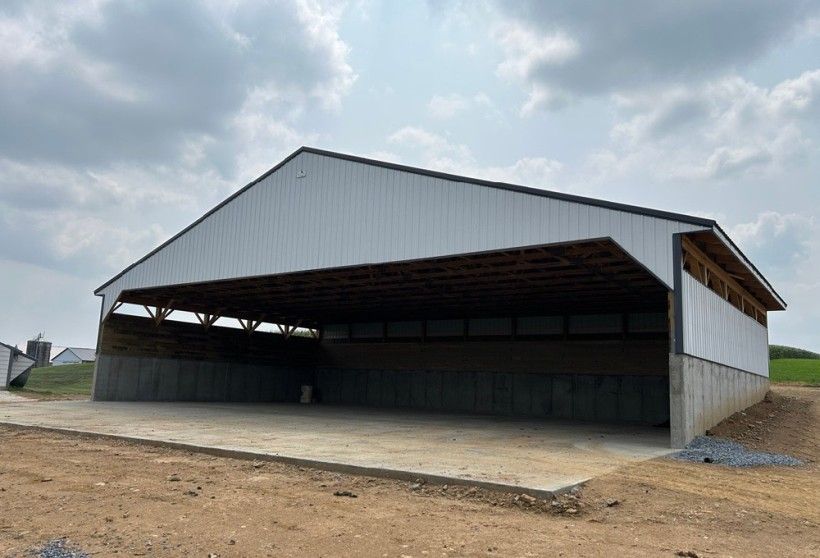
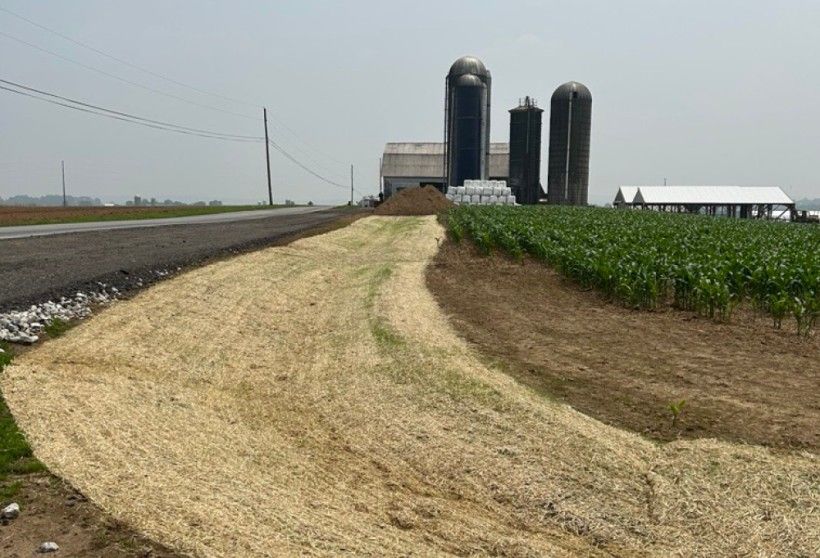
This work builds on the Conservancy’s strong track record of implementing both agricultural and GSI solutions across the region. In areas like Honey Brook, the Conservancy has a long history of working alongside farmers, building trusted, on-the-ground partnerships to implement agricultural BMPs such as manure storage systems, streamside buffers, and stabilized livestock stream crossings, helping to reduce nutrient and sediment runoff while improving soil health and protecting local waterways. Additionally, the Conservancy has successfully advanced community-scale GSI projects, including developing construction-ready designs for London Grove Friends Meeting and Willowdale Chapel, as well as guiding a rain garden at East Marlborough Township’s municipal campus from initial site assessment through design and implementation. Together, these efforts reflect a proven, coordinated approach that will be expanded into the Chesapeake Bay watershed, supporting reduced flooding, improved water quality, enhanced habitat, and the long-term sustainability of local communities.
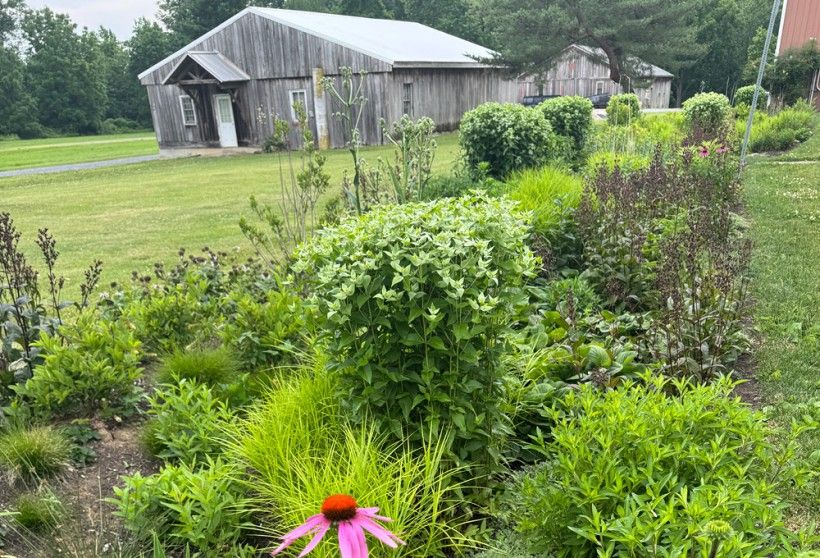
By the conclusion of this grant cycle, the Conservancy will have developed five NRCS-level farm conservation plans and completed two large-scale and four smaller-scale GSI design projects. The conservation plans will incorporate a comprehensive suite of agricultural BMPs to address nutrient and sediment runoff on farmland, while the GSI designs will identify targeted, site-specific solutions to manage stormwater on more developed properties. Together, these plans and designs will create a clear path toward implementation, ensuring that meaningful improvements will continue well beyond the life of the grant.
To support this work and help communities take the next step, the Conservancy has developed a suite of educational resources, including our Green Stormwater Infrastructure Toolkit. This resource provides practical guidance, visuals, and examples to help communities understand and implement GSI practices. In addition, our Guide to Green Stormwater Infrastructure offers an accessible overview of how these practices function, their benefits, and how they can be applied across different landscapes, serving as a helpful starting point for anyone interested in bringing GSI into their community.
East Bradford Township Sustainability Plan
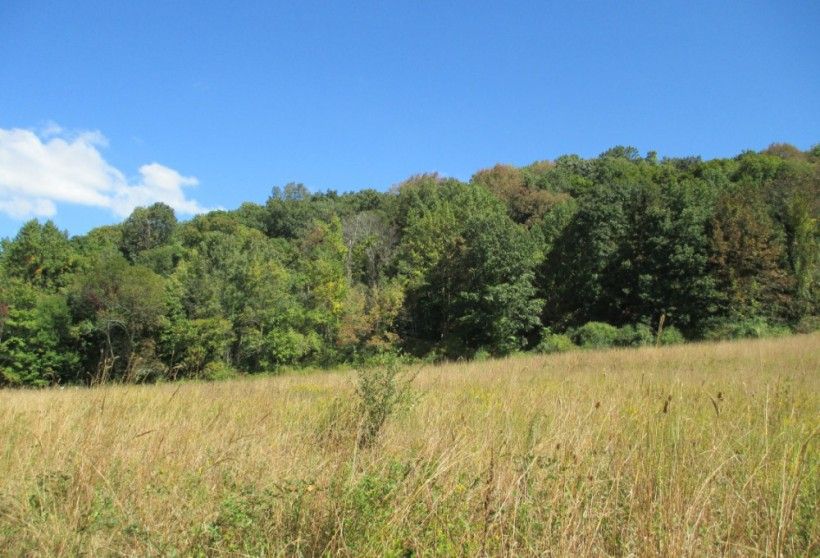
East Bradford Township recently adopted a Sustainability Plan that outlines a clear path to improving local sustainability, increasing climate resilience efforts, and supporting responsible land stewardship. Created in collaboration with the Brandywine Conservancy, the plan expands on the Township’s ongoing efforts and identifies actionable opportunities to strengthen policies, infrastructure, and greater community engagement.
The plan is anchored in three key assessments completed by the Brandywine Conservancy: a Community Climate Profile, a Sustainable Communities Assessment, and a Green Stormwater Infrastructure Assessment. Together, these analyses provide a comprehensive, actionable foundation for enhancing sustainability planning, climate preparedness, and green infrastructure implementation.
Plan Components
The Community Climate Profile established baseline conditions and future projections for temperature, precipitation, and greenhouse gas emissions. It incorporated demographic trends, community vulnerabilities, and environmental justice considerations, drawing on regional hazard mitigation data and local insights from Township staff.
The Sustainable Communities Assessment reviewed existing municipal policies and planning documents to understand where sustainability goals are already being met and where barriers remain. The assessment highlighted items that should be addressed in future updates to the Township’s Open Space, Recreation and Environmental Resources Plan, and Emergency Management Plan.
The Green Stormwater Infrastructure (GSI) Assessment identified opportunities to expand sustainable land management on municipal properties, such as converting turf grass to meadows, restoring forested stream corridors, and enhancing stormwater management systems. It included a review of the Township’s Municipal Separate Storm Sewer System (MS4) permit to pinpoint opportunities to strengthen or expand planned projects.
Plan Acceptance
After a year long process, the East Bradford Township Board of Supervisors formally accepted the Sustainability Plan on Thursday, March 5, 2026. Moving forward, East Bradford can now use the Sustainability Plan to advance initiatives including invasive species removal, enhanced floodplain and stormwater management ordinances, and ongoing education and public engagement on environmental change through communal action. For more information on the East Bradford Township Sustainability Plan, contact East Bradford Township Manager, Mandie Cantlin, or Sarah Sharp, Assistant Manager for Municipal Assistance at Brandywine Conservancy.
Meet the Easement Stewardship Team
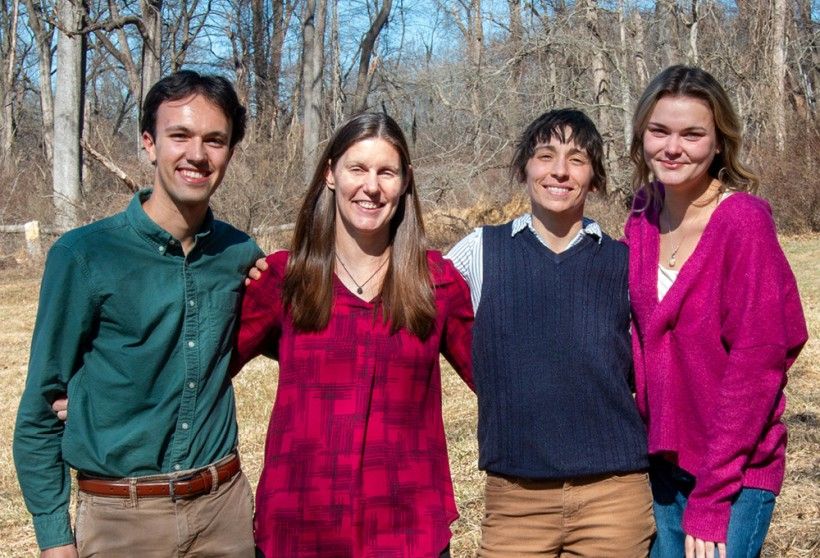
Brandywine's Easement Stewardship Team is responsible for the management of our 516 conservation easements covering over 39,000 acres in southeastern Pennsylvania and northern Delaware. They conduct monitoring visits, address stewardship matters, and work to build and maintain strong relationships with landowners and partner organizations. Through education and outreach they work to ensure that the natural and cultural resources of the eased properties are conserved and enhanced. In this spotlight series, meet the people who make that work happen and learn more about the skills and passions they bring to the team.
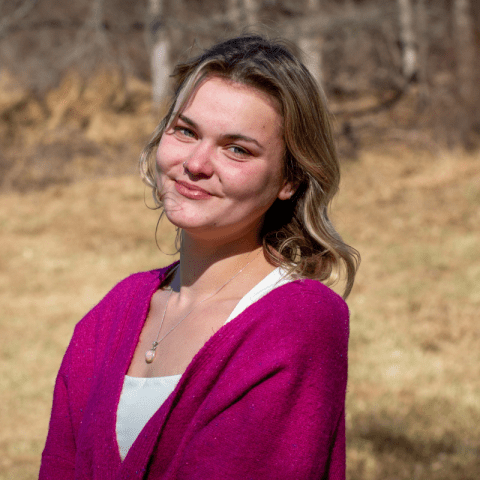
Emma Rutkowski
Emma joined the Brandywine Conservancy in spring 2024 as an Easement Steward. Her work includes the Conservancy’s agricultural easements, and she has completed specialized training through the Pennsylvania Association of Conservation Districts and NRCS focused on balancing conservation and productivity on working lands. She holds a B.S. in Environmental Science from Temple University and has a background in native ecology and community engagement. Outside of work, Emma enjoys camping, photography, going to the gym, and spending time with her dog.
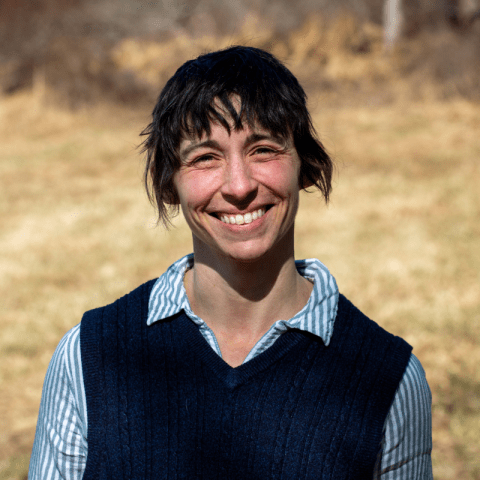
Norah (“N”) Roth-Moore
Norah (“N”) joined the Brandywine Conservancy in December 2025 as an Easement Steward. They hold a B.A. in Environmental Science from the University of Virginia, with a concentration in ecology and policy, as well as a J.D. from St. John’s University. N has a professional background in GIS mapping for municipal water resources and corporate law. They enjoy making art, spending time outside with their kids, and volunteering in their community.

Oscar Nigam
Oscar joined the Brandywine Conservancy in December 2025 as an Easement Steward. Through the Conservancy’s Landowner Stewardship Program, he works with landowners to implement habitat restoration and stewardship projects on conserved land, including delaying hay harvest to benefit breeding grassland birds. Oscar graduated from Bowdoin College with a B.A. in Ecology and has previously worked with the Western Pennsylvania Conservancy and Northern Virginia Conservation Trust, where he conducted ecological surveys and supported conservation projects. Outside of work, Oscar is an avid hiker, birder, and naturalist.
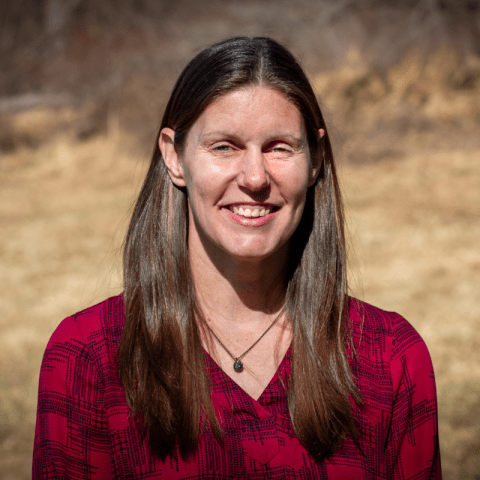
Kristen Frentzel
As the Assistant Director of Conservation & Stewardship, Kristen supports staff and guides projects in the Land Conservation and Easement Stewardship Programs. Prior to her role as Assistant Director, Kristen worked on the Easement Stewardship team for 18 years. As leader of the Easement Stewardship team, Kristen oversees the administration and enforcement of the Conservancy’s conservation easements. Kristen and her team are developing exciting new initiatives to more directly work with easement landowners on natural resource management and restoration on conserved land. Kristen is currently pursuing a law degree from Widener University Delaware Law School in the evenings. In her spare time, she enjoys running and spending time with her family.
Featured Photo: Rough Green Snake
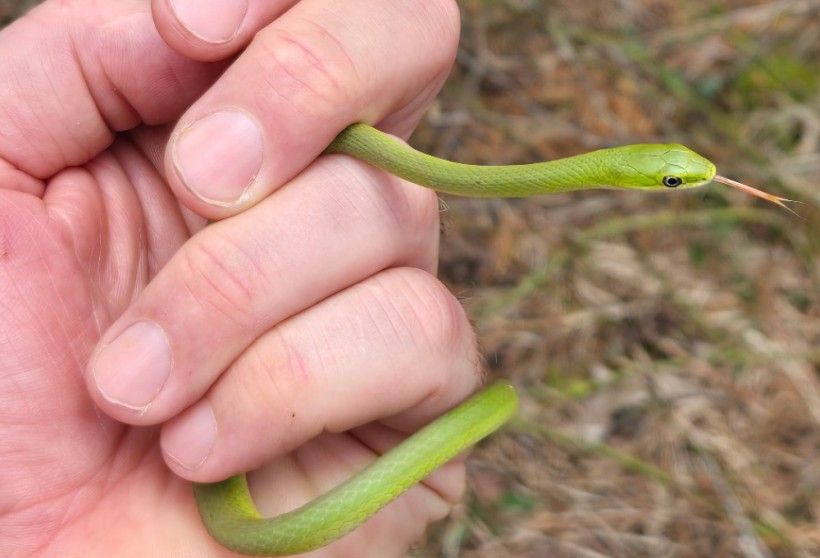
We're sharing this rare sighting from a recent stewardship visit to a Chester County property! Critically imperiled in Pennsylvania, rough green snakes (Opheodrys aestivus) are found in our state only in wetland-rich habitats in Chester, Lancaster, and Greene counties. They can be distinguished from the more common smooth green snake by their keeled scales, which give them a slightly rough texture.
If you encounter a rough green snake, consider submitting photos to the Pennsylvania Amphibian and Reptile Survey (PARS). The Pennsylvania Fish and Boat Commission is using community observations to help determine the range and abundance of these endangered snakes.
📸: Kevin Fryberger