These toolkits are designed to equip municipalities and other stakeholders with valuable resources for advancing natural and cultural resource conservation, enhancing recreation and transportation systems, and fostering resilience.
Each tool includes an overview that outlines the relevant issues it addresses, a guide on how to implement it, its regional applicability, and a list of case studies. Some toolkits include an additional technical bulletin that provides more detailed guidance such as a step-by-step implementation process and supplementary resources for deeper exploration.

Trail Types and Surfaces
Trails support community connectivity by providing transportation and recreation opportunities, while thoughtful trail design, classification, and surface selection help create functional networks that connect people to destinations and one another.
Trail Types and Surfaces Toolkit.pdf
Trail Maintenance
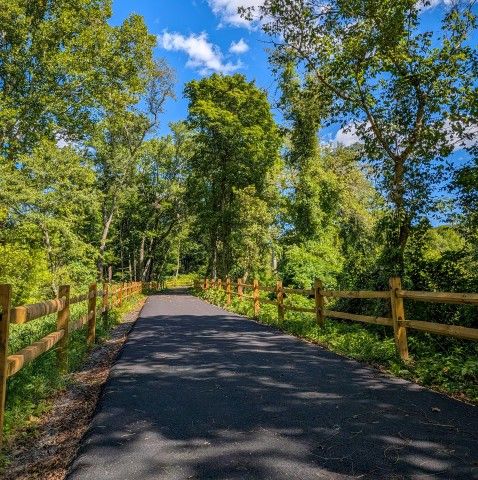
Trails serve as a recreational hub for residents, but proactive trail maintenance planning keep trails safe, accessible, and functional, outlining routine maintenance needs for both hard-surface and soft-surface trails, as well as inspection schedules, funding considerations, and shared maintenance responsibilities.
Trail Liability & Ownership
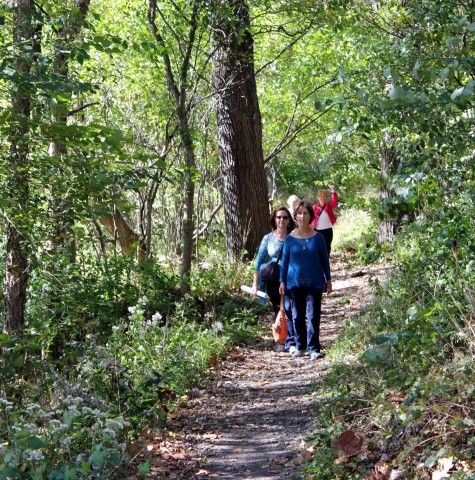
Trail ownership, liability, and public safety are common concerns when considering new trail investments. However, proven approaches, supported by Pennsylvania law and local experience, help communities effectively manage and minimize these risks.
Water Trail 101
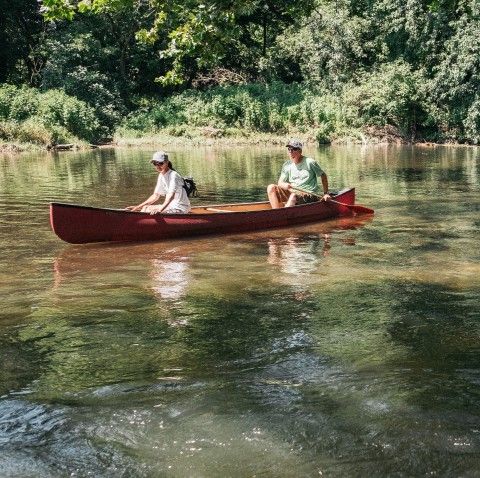
Water trails enhance recreation, safety, education, conservation stewardship, and local economic development through designated access points, mapping, signage, and public outreach. This toolkit provides a brief overview of Pennsylvania's state-designated water trail program.
Active Transportation Plans
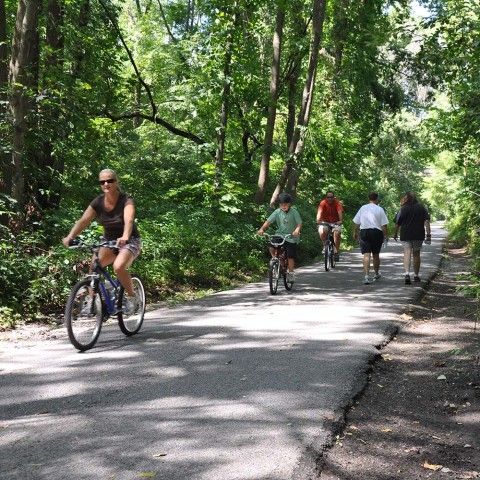
Active Transportation Plans guide the development of accessible networks of transportation for a range of users including pedestrians, cyclists, and individuals with disabilities.
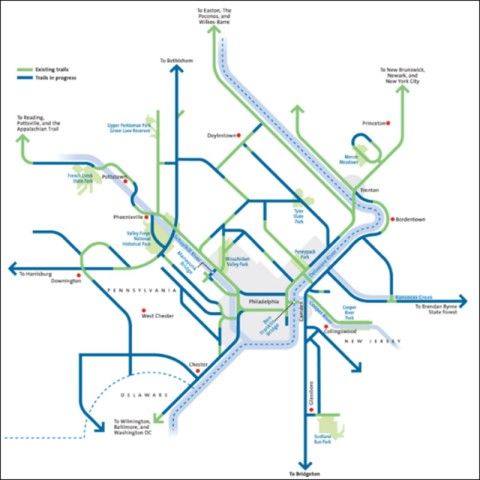
Circuit Trails
The Circuit Trail network is regional network of multi-use trails in Greater Philadelphia and Southern New Jersey. These trails offer accessible recreational opportunities, while serving as another mode of transportation.
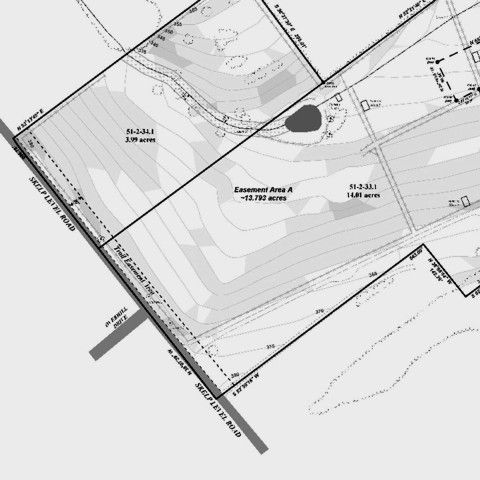
Trail Easements
Trail easements are legal agreements between two entities that reserve a corridor of land for the purpose of creating, maintaining, and providing public trail access on privately owned property.
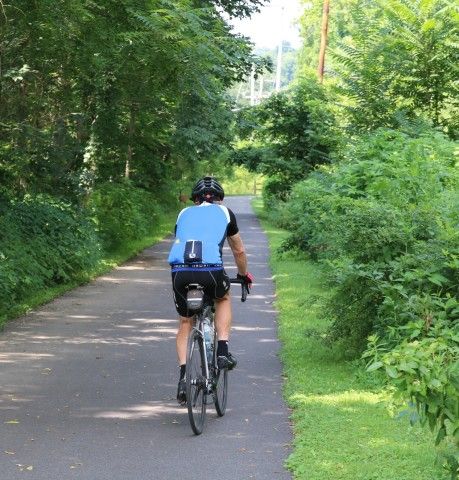
Trail and Sidewalk Provisions
Trail and sidewalk standards, typically established through a municipality’s SALDO, help guide the design, use, and maintenance of pedestrian and trail networks. These regulations promote safety, connectivity, and multimodal transportation while supporting a variety of recreational and mobility needs.